Stunning panoramic rice field and jungle view. Lovely well-kept garden with tables spaced far apart from each other. Greasy deep fried food as everywhere in Indonesia that I don’t like, but lot of attractive smoothies in menu. I really liked a soursop smoothie with chia seeds and ice cream . I recommend this place .
Overview
If you ever find yourself driving up to Jl. Raya Lijen Km. 8,7, Pereng, Paspan, Dusun Salakan, Kenjo, Kec. Glagah, Kabupaten Banyuwangi, Jawa Timur 68432, Indonesia, there’s a good chance you’ll pass by Pondok Indah Banyuwangi without realizing how special it is. The first time I stopped here was after a long morning exploring the slopes of Mount Ijen. I was dusty, hungry, and honestly ready to settle for anything decent. What I got instead was a hidden gem that completely shifted my expectations of roadside dining in East Java.
The location itself is a huge advantage. Sitting along the main route to the Ijen crater, this diner-style restaurant feels like a natural resting point for travelers, hikers, and even local families out for a weekend drive. Banyuwangi has been recognized by Indonesia’s Ministry of Tourism for its rapid growth in eco-tourism over the past decade, and places like this play a quiet but important role in supporting that flow of visitors.
Let’s talk about the menu, because that’s where things get interesting. Instead of offering an overwhelming list of random dishes, Pondok Indah Banyuwangi focuses on Indonesian comfort food with a strong Javanese touch. Think nasi goreng with smoky undertones, freshly grilled ayam bakar glazed in sweet kecap, and hearty bowls of soto ayam that taste like they’ve been simmering for hours. On my last visit, I ordered their grilled fish served with sambal and lalapan. The sambal had just the right balance of heat and acidity, which, according to culinary experts from institutions like Le Cordon Bleu, is key to elevating simple grilled proteins into something memorable.
What stood out to me wasn’t just flavor, but consistency. I’ve come here three times over the past year, and the quality has remained steady. That’s not easy in high-traffic roadside restaurants. Food safety and hygiene are also worth mentioning. The World Health Organization regularly highlights the importance of proper food handling in preventing foodborne illnesses, especially in tourist areas. From what I observed, the kitchen staff follow practical hygiene steps-clean prep areas, covered ingredients, and freshly cooked dishes served hot.
Service here leans toward friendly and informal. The staff greet you with relaxed smiles rather than scripted lines. On one occasion, I asked about the difference between two chicken dishes, and the server patiently explained the cooking process-one marinated overnight before grilling, the other fried first and then coated in sauce. That kind of transparency builds trust. It also shows they understand their own product, which isn’t always the case in casual diners.
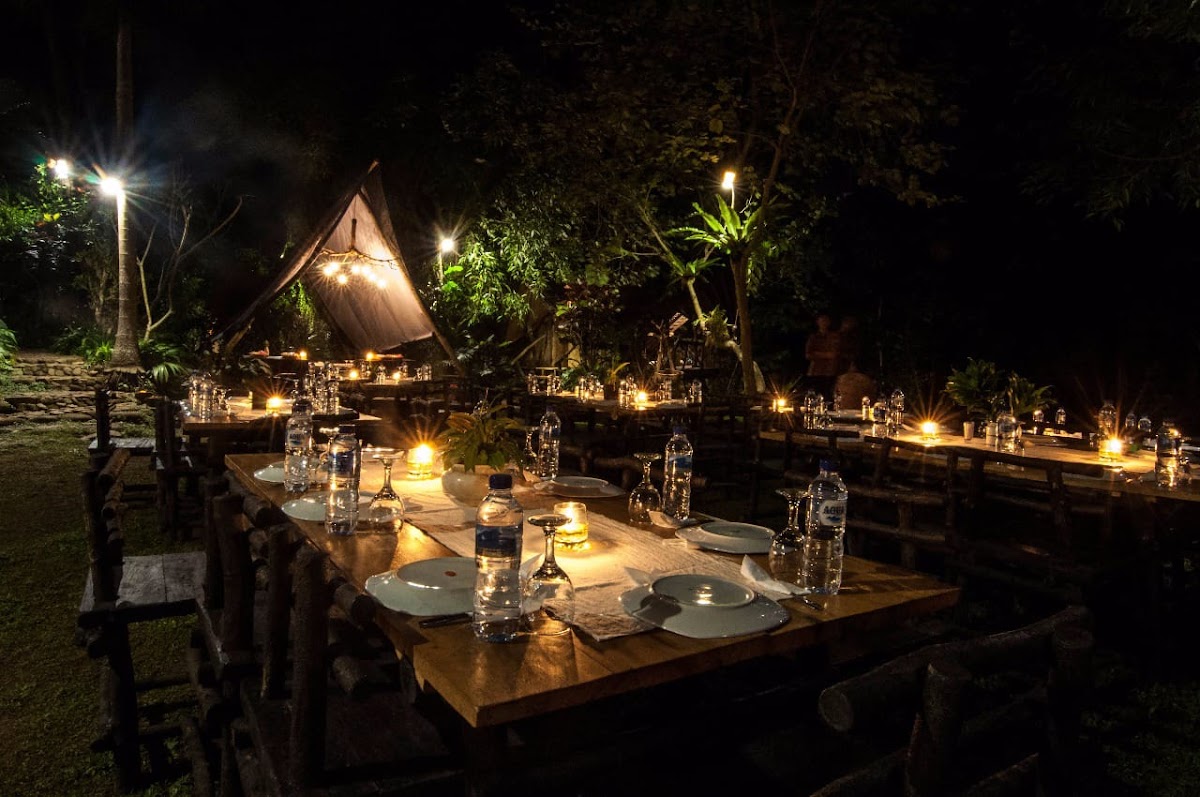
The dining area is simple but comfortable. Wooden tables, open-air seating, and views of greenery give it a laid-back countryside vibe. After hiking or traveling for hours, that breeze flowing through the space feels like therapy. It’s not luxury dining, but it doesn’t try to be. Instead, it offers authenticity, which many travelers now prioritize. According to a 2023 travel trend report by Booking.com, over 70% of global travelers say they look for local and authentic culinary experiences when visiting new destinations. Pondok Indah Banyuwangi fits that preference naturally.
Reviews from visitors often highlight portion sizes and affordability. For what you pay, the servings are generous. Families can comfortably share dishes, making it budget-friendly without sacrificing taste. While it may not have the polished branding of upscale restaurants in central Banyuwangi, it delivers where it matters: flavor, location, and honest hospitality.
Of course, it’s fair to note that during peak tourist seasons, especially around holidays, waiting times can stretch longer than usual. The parking area can also get crowded. Still, those minor inconveniences feel manageable once the food arrives at your table.
After several visits, I’ve come to see Pondok Indah Banyuwangi not just as a stopover spot, but as part of the Banyuwangi travel experience itself. It’s where road fatigue fades, conversations linger over hot tea, and the taste of East Java feels real and grounded.
Good to know
Service options
✓ Outdoor seating ✓ Takeaway ✓ Dine-in ✓ DeliveryHighlights
✓ Fireplace ✓ Great coffee ✓ Great dessert ✓ Great tea selection ✓ SportPopular for
✓ Lunch ✓ DinnerAccessibility
✓ Wheelchair-accessible car park ✓ Wheelchair-accessible toilet ✓ Wheelchair-accessible entranceOfferings
✓ Coffee ✓ Halal food ✓ Late-night food ✓ Organic dishes ✓ Private dining room ✓ Quick bite ✓ Vegan options ✓ Vegetarian optionsDining options
✓ Breakfast ✓ Brunch ✓ Lunch ✓ Dinner ✓ Catering ✓ Dessert ✓ Seating ✓ Table serviceAmenities
✓ ToiletAtmosphere
✓ Casual ✓ Cosy ✓ Quiet ✓ Romantic ✓ TrendyCrowd
✓ Family friendly ✓ Groups ✓ Tourists ✓ University studentsPlanning
✓ Lunch reservations recommended ✓ Accepts reservations ✓ Usually a waitPayments
✓ Credit cards ✓ Debit cards ✓ NFC mobile payments ✓ Credit cardsChildren
✓ Good for kids ✓ Good for kids birthday ✓ Kids' menuParking
✓ Free parking lot ✓ ParkingPhotos
1 / 4
Location
Reviews
- No ratings yet 345 reviews
Food is excellent and view is amazing.. i could see rice field, mountain n Sea.. very recommended..
I went there at night. They did good services and really helpful, even the food is so-so. But I really like the ginger-lime they served, it really is delicious. I want to go there again one day.
Great place, very good view, good food, price little bit expensive..
Me and my family having lunch on lebaran day 2. The restaurant is so clean, so many trees, cool breeze, Good food with a reasonable price,, excellent service, friendly staff. Thank you for giving us free fried casava while we were waiting the food
Indonesian cuisine with a cool view, if you come above 5 o'clock, so many insects prefer to come in the morning or before 5 o'clock
Resto with the concept of nature. There are several cottages that can be booked for more private dining places with beautiful views. The place is quite extensive, there is special access also disabled. The first time until the nuances of nature were already very good. Many wooden chairs that can be chosen, each spot the style of the chair is different, very diverse. Cool!
Incredible, tranquil place! Decent food in an astonishing setting, with views on rice fields and even Bali.